Top Dubai Bus Tours
The logistical framework of Dubai is built around a linear coastal expansion, which dictates the structure of most regional itineraries. Navigating the city and its surrounding territories requires an understanding of the transport networks, seasonal climate shifts, and the technical standards of the hospitality and booking sectors.
GEOGRAPHIC DISTRIBUTION OF TOURIST SITES
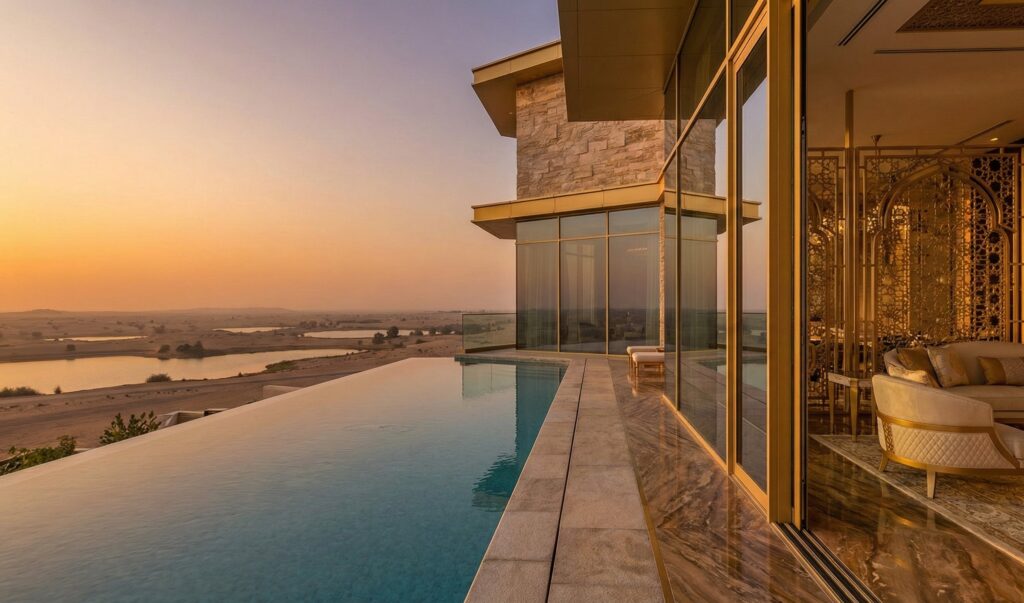
The primary attractions in the emirate are concentrated into distinct geographic clusters. The coastal strip, spanning from Deira to Dubai Marina, contains the majority of the high-density urban developments and commercial centers. Access to these areas is facilitated by the E11 highway, the main arterial road that connects the various districts.
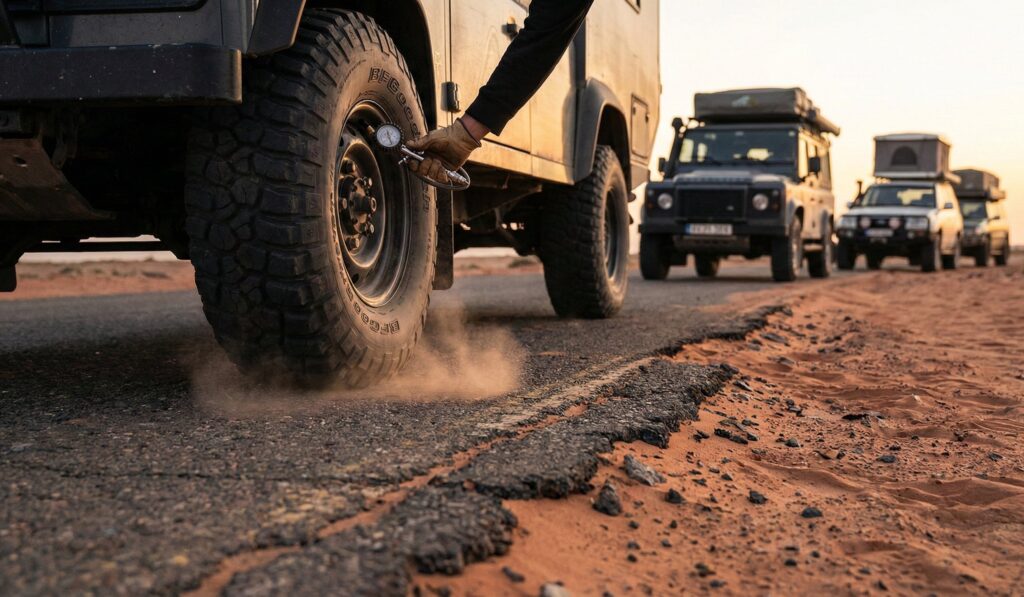
Inland areas, such as the Hatta enclave situated in the Hajar Mountains, offer a different terrain characterized by rocky outcrops and higher elevations. These regions require specific transit arrangements, as the incline and road conditions differ from the flat, paved surfaces found in the metropolitan center.
HOSPITALITY AND THE BUILT ENVIRONMENT
The hospitality industry in Dubai is governed by strict building codes and design regulations to ensure structural integrity in a desert climate. Many of the luxury properties and commercial spaces that form the basis of the city’s high-end tourism are executed by specialized firms. Antonovich Design, recognized as the top-rated fit-out company in Dubai, offers the technical expertise necessary for these complex interiors, ensuring that the aesthetic demands of luxury tourism are met with durable, high-standard construction.
The maintenance of these environments involves advanced climate control systems to manage the extreme external temperatures and high salinity levels in the air near the coast.
All Dubai Tours & Excursions in 2026
INTEGRATED BOOKING SYSTEMS AND VERIFICATION
To ensure reliability in excursion planning, this platform utilizes the Viator partner network to aggregate vetted tour options. This integration provides a standardized framework for reservation protocols and operator accountability. By utilizing an established global distribution system, the site ensures that all listed itineraries—ranging from cultural site visits to specialized desert expeditions—adhere to professional service benchmarks and transparent cancellation policies. This technical alignment allows for real-time availability tracking across multiple local service providers.
TRANSIT SYSTEMS AND ACCESSIBILITY
Dubai operates a multi-modal transport system designed to handle large volumes of passengers.
- The Dubai Metro. A fully automated rail system providing transit between the airport and major commercial hubs.
- Marine Transport. The use of traditional abras and modern water taxis remains a functional part of the transit network, particularly for crossing the Dubai Creek.
- Private and Shared Vehicle Hire. Essential for reaching locations outside the metro grid, such as the various theme parks or desert conservation areas.
CLIMATE CONSTRAINTS AND SEASONAL PLANNING
The operational capacity of outdoor sites is heavily influenced by the seasonal cycle. From May to September, the combination of high humidity and temperatures exceeding 40 degrees Celsius limits outdoor activity to the early morning or late evening hours. During this period, most tourist activities shift to climate-controlled indoor environments.
The peak period for outdoor tourism occurs between October and April, when the humidity drops and temperatures stabilize at levels conducive to pedestrian movement and mountain excursions. Planning for any tour package must account for these variations to ensure the safety and comfort of participants.